-Main.svg)
In the digital age, where our online presence is as significant as our real-world identity, the creation of a fake profile on Facebook raises a complicated question with far-reaching implications.
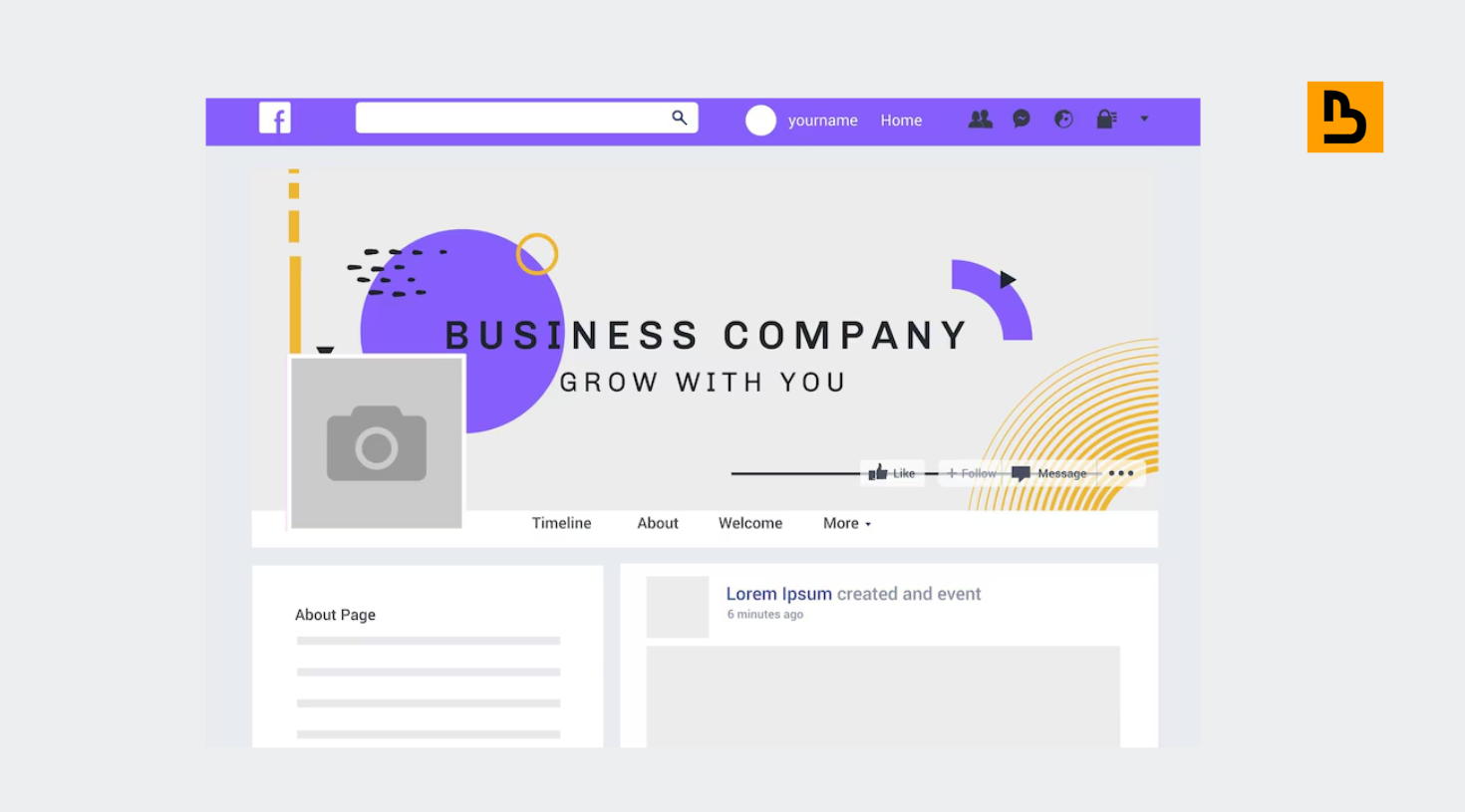
Imagine setting up a profile with a fictitious name, using a random cover photo, and sending out requests from people you don’t know.
You might think it’s harmless fun or a way to explore an online relationship without revealing your true self.
But what happens if you make a fake profile on Facebook?
Creating a fake profile involves more than just using a fake email address or posting original photos that aren’t yours.
It’s about fabricating a persona, complete with false friend connections, life events, and even identity details that are not your own.
This act, seemingly simple and harmless, can spiral into a web of consequences, affecting not just the fake account holder but also the networks for accounts they interact with.
From the misuse of legitimate accounts to falling prey to fake links, the repercussions are manifold.
What are Fake Social Accounts?
Fake social accounts are artificial profiles created on social media platforms that do not represent a real person.
These accounts are often designed to mimic genuine social media profiles, but they differ significantly in their purpose and the nature of their online actions.
Related Article: What is fake profile
Characteristics of Fake Social Accounts
- Artificial Identity: Unlike a genuine social media account, a fake account does not correspond to an actual account holder. The identity portrayed is often fabricated or borrowed without permission.
- Deceptive Intent: The primary goal of these accounts can range from harmless pranks to more malicious intentions like fraud, misinformation, or cyberbullying.
- Inauthentic Friend Requests: Fake accounts frequently send friend requests to random or targeted individuals to expand their network or to carry out specific deceptive activities.
- Lack of Personal Content: These profiles often have limited or no personal content. The posts and images might be generic or stolen from other sources.
Why Do People Create Fake Profiles?
People create fake accounts on social media platforms like Facebook for various reasons.
Some seek anonymity, wishing to express opinions or explore aspects of their identity without the constraints of their real-life persona.
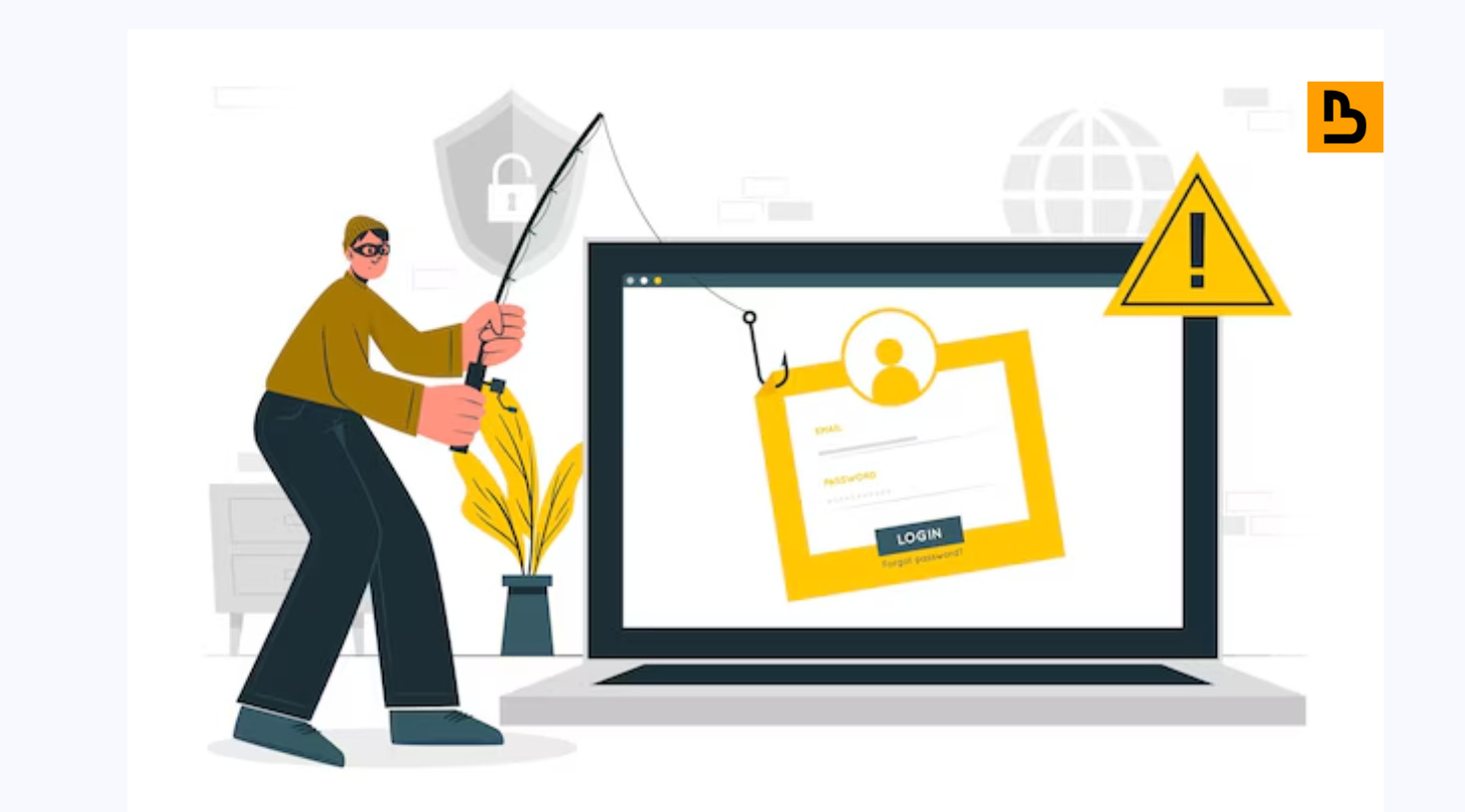
Others might do it for more malicious reasons, such as cyberbullying, stalking, or scamming.
In some cases, individuals create fake profiles for entertainment or to spy on friends and family without being detected.
Businesses and marketers sometimes use them to promote products or services covertly.
Additionally, fake profiles can be tools for political or social manipulation, spreading misinformation or influencing public opinion.
Regardless of the motive, the creation of fake profiles raises concerns about authenticity, trust, and the impact on online communities.
To know more about why do people make fake profiles, click on the linked article.
What Happens If You Make a Fake Profile on Facebook?
Impact on Personal and Professional Reputation
The creation of an imposter profile can severely damage your personal and professional reputation.
If uncovered, it can lead to a loss of trust among your circle of friends, family, and professional contacts.
This breach of trust can have long-lasting effects, potentially harming personal relationships and career opportunities.
Social and Ethical Concerns
Fake profiles can contribute to a broader atmosphere of mistrust and misinformation on social media.
They can be used to spread false information, manipulate public opinion, or create divisions within communities.
This behavior undermines the ethical standards of honesty and integrity in digital spaces, contributing to a less trustworthy online environment.
Risks of Cyberbullying and Harassment
Fake profiles, including anonymous accounts and bot-controlled accounts, are often used as tools for cyberbullying and harassment.
They provide a veil of anonymity, emboldening individuals to engage in harmful behaviors without immediate repercussions.
Victims of such actions can experience significant emotional and psychological distress.
Impact on Facebook’s Ecosystem
The proliferation of fake profiles can affect the overall health of Facebook’s ecosystem.
It can skew advertising metrics, influence the spread of content, and impact the platform’s ability to foster genuine human connections.
This, in turn, can lead to a decrease in user engagement and trust in the platform.
Erosion of Trust
Trust is a fundamental aspect of social interactions, both online and offline.
Fake profiles, including imposter accounts and bot accounts, can lead to a general erosion of trust on the platform.
When users are unsure about the authenticity of who they are interacting with, it undermines the integrity of the platform.
Detection and Penalisation by Facebook
Facebook employs various methods to detect fake profiles, including artificial intelligence and user reports.
Once a fake profile is identified, Facebook can take actions like account suspension or deletion. Repeated offenses can lead to more severe penalties, including permanent bans from the platform.
The Irony in Marketing
Some businesses create fake profiles for marketing purposes, aiming to promote products or services subtly.
However, this practice is not only unethical but can also backfire, damaging the business’s reputation and credibility if discovered.
The Global Perspective
The creation of fake profiles is not just a personal issue but a global concern. In some cases, they have been used to influence political elections, spread propaganda, or incite social unrest.
This global impact highlights the need for greater awareness and stricter enforcement against the creation of fake profiles.
Understanding the consequences of creating an artificial account, whether it’s an actual profile or a fake identity, is crucial in today’s digital age, where human activity on social platforms like Facebook has significant real-world implications.
The Legal Realities of Fake Facebook Profiles
Creating a fake Facebook profile carries significant legal risks.
While the chances of prosecution might seem low, the potential consequences are serious and unpredictable.
Breaching Facebook’s Terms
Facebook’s terms ask you to use the same name you use in everyday life, give accurate information about yourself and create only one account, your own.
The moment you create a profile with false information, you’re in violation of these terms of service.
Even if you use a fictitious name without someone else’s images, the account is still unlikely to gain traction and could be reported for fraudulent activities.
The Seriousness of Misrepresentation
Misrepresenting yourself on Facebook goes beyond violating community standards; it can lead to legal troubles.
For instance, if you’re John Doe from Alabama and create a profile as Jimmy Smith from Michigan, you’re breaching Facebook’s terms. And if someone relies on the false identity and loses money because of it, the deception can amount to fraud or give them a claim against you in court.
The Legal Implications of Using Stolen Images
Using photos that you don’t own, such as those found through Google searches or from other profiles, can lead to accusations of identity misrepresentation, intellectual property theft, and possibly identity theft.
Copyright Infringement Risks
Copying someone’s photos without permission can infringe their copyright, and the owner can have them taken down with a copyright notice, such as a takedown notice under the US Digital Millennium Copyright Act (DMCA).
If the owner sues, you could have to pay damages and, in some cases, their legal costs: in the US, if the photo was registered with the Copyright Office in time, the court can award statutory damages of $750 to $30,000 per work, as well as legal fees.
The Gravity of Identity Theft
Pretending to be a real person, whether a public figure, a celebrity, or an acquaintance, can be a crime. In India, cheating by personation using a computer resource is punishable under Section 66D of the Information Technology Act, 2000, with up to three years in prison and a fine of up to ₹1 lakh, and the Bharatiya Nyaya Sanhita, which replaced the Indian Penal Code in July 2024, punishes cheating by personation under Section 319.
In the US, states such as California and Texas have laws against impersonating someone online to harm, intimidate, threaten or defraud others.
Potential Consequences for Impersonation
Impersonating someone can have unintended repercussions.
For example, if your copycat account leads to real-life consequences for the person you’re impersonating, like job suspension or termination, you could be sued for the harm, such as their lost wages.
Conclusion
Navigating the world of Facebook with a fake profile is akin to walking a tightrope.
What starts as a couple of steps into the realm of anonymity can quickly escalate into a situation requiring legal action.
The platform’s identification feature and policies are designed to safeguard the integrity of genuine interactions, making the existence of fake profiles a breach of trust.
The consequences of creating a fake profile extend beyond the immediate circle of online friends.
They ripple through the social network, affecting real lives and online relationships.
Whether it’s the risk of sharing contact details with unknown entities, the potential harm caused by false representations, or the legal implications of identity fraud, the stakes are high.
In the end, the question isn’t just about what happens if you make a fake profile on Facebook; it’s about understanding the responsibility that comes with our digital actions and the impact they have in the interconnected world of social media.
FAQs
What happens when someone creates a fake Facebook account
When someone creates a fake Facebook account, it typically violates Facebook’s terms of service, which require users to provide real identities.
Such accounts are often flagged for review and can be removed by Facebook. In some cases, creating fake accounts can lead to legal consequences, especially if used for fraudulent activities or identity theft.
Will Facebook delete a fake account
Yes, Facebook will delete a fake account if it’s identified as violating their community standards and terms of service. Facebook uses various detection methods, including user reports and AI technology, to identify and remove fake profiles.
Can you get in trouble for a fake profile
Creating a fake profile can lead to trouble, especially if it’s used for illegal activities like fraud, harassment, or identity theft. Depending on the severity and intent, legal consequences can include fines or even imprisonment.
Why do people create fake profiles
People create fake profiles for various reasons, ranging from harmless motives like anonymity or role-playing to more harmful intentions such as cyberbullying, scamming, spreading misinformation, or impersonating others.
What are the dangers of fake profiles
The dangers of fake profiles include identity theft, privacy breaches, spreading misinformation, and facilitating cyberbullying. They can also undermine the trust and authenticity of online interactions and social networks.
What are the dangers of fake profiles on social media
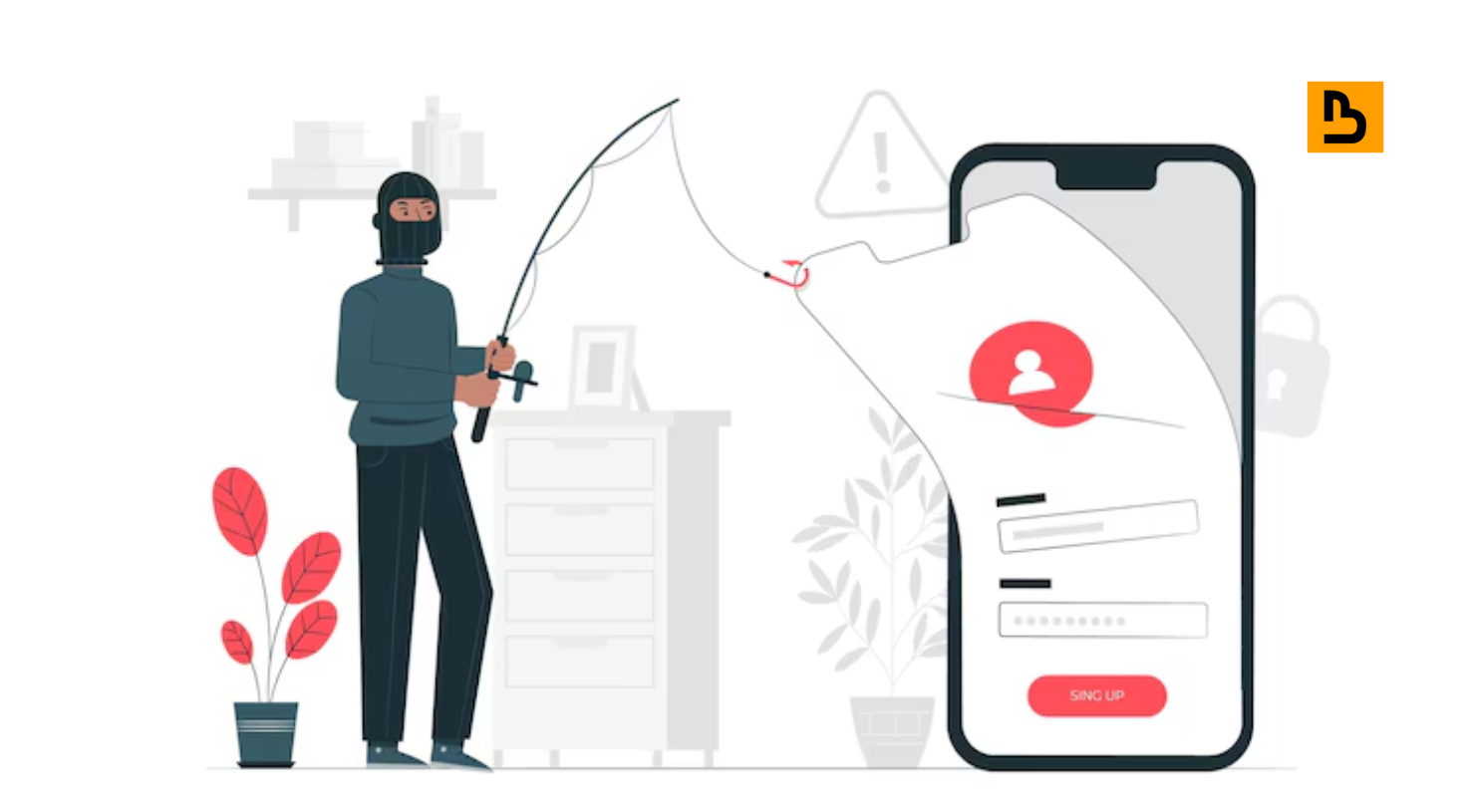
On social media, fake profiles pose risks such as manipulating public opinion, spreading false information, and enabling cyberbullying. They can also be used for phishing scams, leading to financial or personal data theft. Fake profiles undermine the integrity and trustworthiness of social media platforms.