-Main.svg)

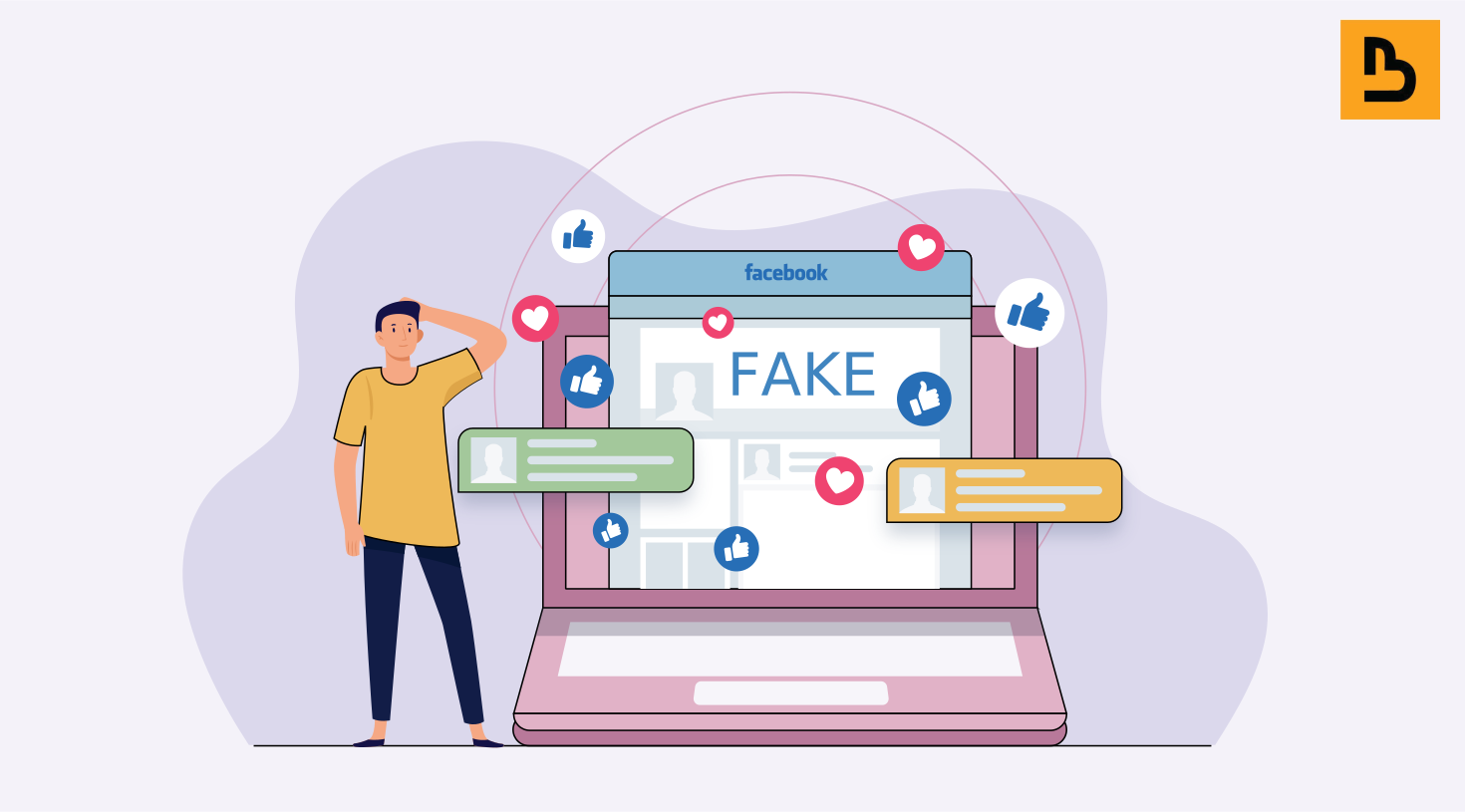
The question: Is a fake Facebook profile is illegal in India is a topic of growing relevance in our digitally connected era.
As social media becomes increasingly intertwined with our daily lives, the implications of using fake identities online come under legal scrutiny.
This article delves into the complex legal landscape surrounding the use of fake Facebook profiles in India.
We will explore the nuances of Indian law, examining how it applies to the digital realm and specifically to the creation and use of potentially deceptive online personas on one of the world’s largest social networks.
Unraveling the Impact of Fake Social Media Accounts
A fake account, defined by misrepresented or fraudulent details on social media platforms, poses a significant threat to the integrity of online interactions.
These deceptive profiles mislead the general public, disseminating inaccurate information or exploiting users for financial and personal details.
According to data from Swedish e-commerce start-up A Good Company and analytics firm HypeAuditor in 2019, examining over 1.84 million Instagram accounts across 82 countries, the United States (49 million), Brazil (27 million), and India (16 million) ranked as the top three countries with the highest numbers of fake accounts.
Additionally, Facebook’s enforcement analytics report estimates that approximately 5% of profiles on their platform, translating to nearly 90 million accounts, are identified as fake.
This prevalence underscores the widespread impact of fake accounts on the global social media network, necessitating heightened awareness and robust countermeasures.
Is Fake Facebook Profile Illegal in India?
A fake Facebook profile is not explicitly illegal in India under general law, but it can become illegal depending on the purpose and use of the profile.
Here are some key points to consider:
- Violation of Terms of Service: Creating a fake profile violates Facebook’s terms of service. While this is not a legal issue in itself, it can lead to the profile being banned by Facebook.
- Impersonation and Identity Theft: If the fake profile impersonates another person, it could potentially fall under the purview of identity theft or fraud, especially if used for deceptive purposes. The Information Technology Act, 2000 punishes identity theft (Section 66C) and cheating by personation using a computer resource (Section 66D), and the Bharatiya Nyaya Sanhita, 2023 (BNS), which replaced the Indian Penal Code (IPC) on 1 July 2024, punishes cheating by personation (Section 319, formerly Section 419 IPC).
- Fraud and Deception: Using a fake profile to commit fraud, such as deceiving people for financial gain, is illegal under the BNS, for example as cheating (Section 318, formerly Section 420 IPC).
- Cyberstalking and Harassment: Using a fake profile to stalk or harass someone online can be considered a crime under Section 78 of the BNS (stalking, formerly Section 354D IPC) and, where obscene material is sent, under Section 67 of the IT Act.
- Spreading Misinformation or Defamatory Content: If the fake profile is used to spread misinformation or defamatory content, it could lead to legal action under laws related to defamation (Section 356 of the BNS, formerly Sections 499 and 500 IPC) or under the IT Act.
- Privacy Violations: Using someone else’s personal information or images without consent to create a fake profile can be a violation of privacy laws.
It’s important to note that the legal landscape is subject to change, and the application of these laws can vary based on the specifics of each case.
For the most current and relevant legal advice, it’s advisable to consult a legal professional knowledgeable in Indian law.
Additionally, ethical considerations should always be taken into account when dealing with the creation and use of social media profiles.
Regulations Pertaining to the Creation and Use of Fake Accounts
Victims of impersonation offences have the right to report these instances as they violate provisions of the Bharatiya Nyaya Sanhita, 2023, which replaced the Indian Penal Code on 1 July 2024, and the Information Technology Act, 2000.
Specifically, Section 66D of the IT Act addresses cheating by personation through communication devices or computer resources, carrying penalties of imprisonment up to three years and fines up to one lakh rupees.
Section 66C deals with fraudulent use of electronic signatures, passwords, or unique identification features, imposing similar punishments.
For fake accounts cheating others by appropriating personal information, Section 319 of the BNS (formerly Sections 416 and 419 IPC), which addresses cheating by personation, applies.
Additionally, Section 336(3) of the BNS (formerly Section 468 IPC) punishes forging a document or electronic record for the purpose of cheating.
These legal provisions underscore the seriousness of fake profiles in India.
Is it Illegal to Use a Fake Social Media Profile?
The legality of using a fake social media profile can vary depending on the jurisdiction and the purpose for which the profile is used. Here are some general considerations:
Terms of Service Violations: Most social media platforms have terms of service that prohibit the creation of fake profiles. While violating these terms is not inherently illegal, it can result in the profile being banned or other actions taken by the platform.
Impersonation: If the fake profile is used to impersonate someone else, especially for fraudulent purposes, it can be illegal. Many countries have laws against identity theft or impersonation.
Fraud and Scams: Using a fake profile to deceive others, such as in scams or phishing attempts, is illegal in many jurisdictions.
Harassment and Cyberbullying: If a fake profile is used for harassment, stalking, or bullying, it could lead to legal consequences.
Commercial or Political Misrepresentation: Using fake profiles to artificially inflate follower counts, manipulate opinions, or spread misinformation, especially in a commercial or political context, can have legal implications in some regions.
Privacy Laws: In some cases, the creation and use of fake profiles might infringe on privacy laws, especially if it involves the unauthorised use of someone’s personal information or images.
Defamation: If a fake profile is used to spread false information about individuals or entities, it could lead to defamation lawsuits.
It’s important to consult local laws and regulations for specific guidance, as the legal implications can vary significantly based on the context and location.
Additionally, ethical considerations should also be taken into account when thinking about creating or using a fake social media profile.
Social Media Platforms’ Policies on Regulating Fake Accounts
Using a fake social media profile is not explicitly illegal, as there is no specific law targeting individuals for creating such profiles.
Social media platforms are considered intermediaries, and under Section 79 of the Information Technology Act, 2000, they are protected from liability for content posted by third parties on their platforms, provided they observe due diligence and act on unlawful content once they have actual knowledge of it.
However, this immunity is contingent on the platform acting as an intermediary and not directly creating the account.
The Information Technology (Intermediary Guidelines and Digital Media Ethics Code) Rules 2021 provide regulations to combat fake accounts.
Social networking sites are required to establish a grievance redressal mechanism for reporting content, especially in cases of impersonation.
If a complaint is received regarding content in the nature of impersonation, the platform must take reasonable measures to remove or disable access to such content.
Significant social media intermediaries, with over 50 lakh registered users in India, have additional responsibilities, including appointing a chief compliance officer, a grievance officer in India, and publishing a monthly compliance report.
While platforms have mechanisms to report fake profiles, the outcome is not guaranteed.
Social media companies, like Facebook, often have their own verification processes and enforcement agencies to identify and remove fake accounts.
They continuously improve their systems to differentiate between genuine and fraudulent profiles, offering users a more secure online experience.
Conclusion
In conclusion, while the creation of a fake Facebook profile is not explicitly illegal for Indian citizens, its legality hinges on the usage and intent behind these profiles.
Utilising fake identities on social networks like Facebook can lead to legal consequences, especially when they involve the dissemination of unlawful content, harassment, or fraud.
FAQs
Can I face legal action for impersonating someone on Facebook in India?
Yes, impersonating someone else on Facebook, especially for fraudulent or deceptive purposes, can be considered a crime under the Bharatiya Nyaya Sanhita, 2023 (which replaced the Indian Penal Code) and the Information Technology Act, 2000.
Is it illegal to use a fake name on Facebook in India?
Using a fake name is against Facebook’s terms of service, but it’s not necessarily illegal unless used for fraudulent or harmful activities.
How can fake profiles negatively affect a brand’s image?
Fake profiles can damage a brand’s image by spreading false information, misleading customers, or engaging in fraudulent activities that appear to be associated with the brand. This can lead to a loss of customer trust and harm the brand’s reputation.
What are the risks of fake profiles creating counterfeit brand pages?
Counterfeit brand pages created by fake profiles can mislead consumers, sell counterfeit products, or provide false customer service, leading to customer dissatisfaction and harm to the brand’s credibility and authenticity.
How can brands protect themselves from the impact of fake profiles?
Brands can implement robust social media monitoring, actively report and take down fake profiles, educate their customers about authentic channels of communication, and invest in cybersecurity measures to protect their online presence.