-Main.svg)

Impersonation is a serious offence, often associated with fraud, deception, and malicious intent. In India, impersonation offences were set out in several sections of the Indian Penal Code (IPC) until 1 July 2024, when the Bharatiya Nyaya Sanhita, 2023 (BNS) replaced it. The BNS keeps these offences, including cheating by personation, under new section numbers.
This article looks into impersonation under the IPC sections and their current BNS equivalents, their implications, legal consequences, and the measures to prevent impersonation.
What is Impersonation?
Impersonation involves assuming the identity of another person with the intent to deceive or defraud. This act can occur in various forms, such as posing as another individual online, using someone else’s credentials, or even physically impersonating someone.
The motives behind impersonation can range from financial gain, evading law enforcement, or causing harm to the victim.
Impersonation under IPC Section
The Indian Penal Code (IPC) covered different facets of impersonation in several sections. Since 1 July 2024, those offences are in the Bharatiya Nyaya Sanhita, 2023 (BNS), which replaced the IPC; offences committed before that date are still dealt with under the IPC.
The main provisions are Sections 170, 205, 416, 419 and 420 of the IPC, now Sections 204, 242, 319 and 318 of the BNS. Impersonation during Aadhaar enrolment is a separate offence under Section 34 of the Aadhaar Act, 2016, and cheating by personation using a computer resource falls under Section 66D of the Information Technology Act, 2000. Each of these provisions addresses specific scenarios and elements of impersonation.
Section 34 of the Aadhaar Act, 2016: Penalty for Impersonation During Enrolment
Section 34 of the Aadhaar Act, 2016 (not the IPC) deals specifically with impersonation during Aadhaar enrolment.
According to this section, anyone who impersonates or attempts to impersonate another individual, whether living, deceased, real, or fictitious, by submitting false demographic or biometric information, shall be subject to punishment. This punishment may include imprisonment for a term of up to three years, a fine of up to ten thousand rupees, or both.
It applies to Aadhaar enrolment, where accurate demographic and biometric information is required. The intent behind this section is to prevent fraudulent enrolments that could undermine the integrity of the Aadhaar system.
Section 204 BNS (Section 170 IPC): Personating a Public Servant
Under Section 204 of the BNS, which replaced Section 170 of the IPC, there are penalties for those who pose as public servants and falsely claim to hold a particular office while knowing they do not, or who impersonate someone who holds such an office, and then carry out or attempt to carry out any act under the guise of that office. The punishment is imprisonment of either description for six months to three years, and a fine; under the IPC it was up to two years, a fine, or both.
Section 242 BNS (Section 205 IPC): False Personation for Acts or Proceedings in a Suit or Prosecution

Under Section 242 of the BNS, formerly Section 205 of the IPC, there are penalties for people who pose as someone else and, in that character, make statements or admissions, confess judgment, cause legal process to be issued, post bail or act as security, or do any other act in a civil suit or criminal prosecution. The punishment is imprisonment of either description for up to three years, a fine, or both.
Section 319(1) BNS (Section 416 IPC): Cheating by Personation
Section 319(1) of the BNS, which carries over Section 416 of the IPC, states that a person is said to commit the offence of “cheating by personation” if they cheat by pretending to be another person, by knowingly substituting one person for another, or by representing themselves or another person as someone other than who they truly are.
Explanation: The offence of cheating by personation is committed whether the person impersonated is real or imaginary.
Illustration:
- (a) If A deceives by pretending to be a wealthy banker of the same name, A is cheating by personation.
- (b) If A deceives by pretending to be B, who is deceased, A is cheating by personation.
Section 319(2) BNS (Section 419 IPC): Punishment for Cheating by Personation
Under Section 319(2) of the BNS, which replaced Section 419 of the IPC, anyone who cheats by personation can be punished with imprisonment of either description for up to five years, a fine, or both. Under the IPC the maximum was three years.
Section 318(4) BNS (Section 420 IPC): Cheating and Dishonestly Inducing Delivery of Property
Under Section 318(4) of the BNS, formerly Section 420 of the IPC, there will be consequences for anyone who cheats someone and thereby dishonestly induces them to deliver property, to make, alter or destroy a valuable security in whole or in part, or anything signed or sealed that can be converted into a valuable security.
This punishment may include imprisonment for a term that may extend up to seven years, and the offender shall also be liable to a fine.
Interplay of Sections
Together, these provisions create a comprehensive legal framework to address impersonation fraud and related offences. They often work together to cover different facets of a crime, ensuring all aspects are prosecuted.
For instance, if someone impersonates a public servant to obtain a loan fraudulently, they can be charged under both Section 204 of the BNS (formerly Section 170 IPC) for the impersonation and Section 318(4) (formerly Section 420 IPC) for cheating and dishonestly inducing the delivery of property.
Similarly, impersonating someone in legal proceedings to gain favourable outcomes could involve charges under Section 242 (formerly Section 205 IPC) for false personation and Section 319 (formerly Section 419 IPC) for cheating by personation.
The simultaneous application of these sections allows for enhanced penalties, reflecting the severity of the offence. Judicial discretion plays a key role in determining appropriate charges, ensuring that the cumulative impact of the crime is considered.
This well-organised judicial system shields people and organisations from fraud and deceit by facilitating the prosecution of intricate crimes involving impersonation.
By holding criminals accountable for the entirety of their deeds, the interconnected approach preserves the values of justice and discourages similar offences in the future.
Elements of Impersonation

The prosecution must prove each of the following components beyond a reasonable doubt to establish the offence of impersonation attack:
False Representation: There has to be a false identity claim made by the accused.
Intent to Cheat or Deceive: The misleading representation had to be intended to trick or mislead people.
Fraudulent conduct: Using a false identity, the accused must have carried out a fraudulent conduct.
Impersonation in the Digital Age
With the rise of digital technologies and online platforms, impersonation has taken on new forms and challenges. Cyber impersonation, where individuals assume others’ identities online, has become increasingly common, leading to cases of fraud, defamation, and other cybercrimes.
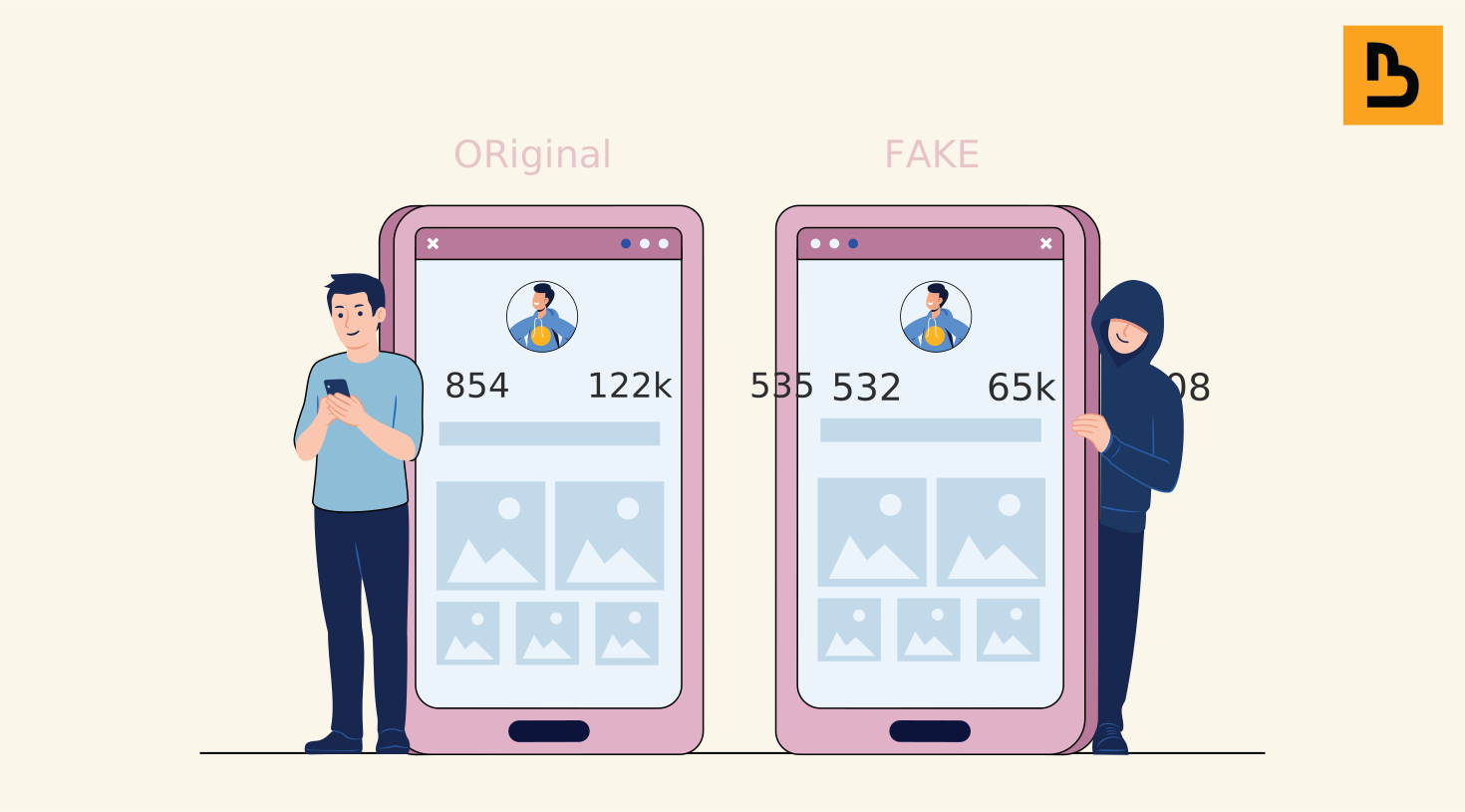
Social media platforms, in particular, have become breeding grounds for impersonation, with individuals creating fake profiles to deceive others or carry out illegal activities.
The anonymity and ease of access provided by the internet make it easier for individuals to impersonate others without immediate detection.
In response to these challenges, Indian law enforcement agencies and legal bodies are increasingly focusing on cyber impersonation and working to develop new legal frameworks and technological solutions to address this issue.
The BNS largely carried these offences over from the IPC, so the law may still need to be adapted or expanded to effectively combat the evolving nature of impersonation in the digital age.
What’s Next?
Impersonation under the Indian Penal Code (IPC), and now the Bharatiya Nyaya Sanhita (BNS), involves cheating by personation, where an individual assumes the identity of a real person or even an imaginary person with dishonest intention. This can lead to fraudulent execution of actions, such as concealment of property or wrongful gain.
Allegations of impersonation often arise in cases of identity theft, cyber crime, or false statements made in legal proceedings.
The law addresses these offences with imprisonment and fines to deter such acts. Together with the IT Act, these provisions safeguard against the misuse of identity, both real and digital.
To safeguard your online identity across social media accounts, Bytescare monitors for fake profiles and impersonation on the platforms in your plan.
We file impersonation reports and track each one to resolution. Removal times are set by each platform, and every request’s status is in your dashboard.
By scheduling a demo, you can elevate your online credibility and defend against impersonation, securing the genuineness and safety of your digital identity.
FAQs
What is personation under the Indian Penal Code (IPC) and the BNS?
Personation means falsely assuming another person’s identity, whether a real or imaginary person, with the intent to deceive or gain an advantage. The IPC addressed it in Sections 170, 205, 416, 419 and 420; since 1 July 2024 these are Sections 204, 242, 319 and 318 of the Bharatiya Nyaya Sanhita, 2023 (BNS). Impersonation during Aadhaar enrolment falls under Section 34 of the Aadhaar Act, 2016.
What is the punishment for impersonation under the IPC (now the BNS)?
It depends on the section charged. Under the BNS, which replaced the IPC, cheating by personation (Section 319, formerly Section 419 IPC) carries up to five years’ imprisonment, a fine, or both, and cheating that induces the delivery of property (Section 318(4), formerly Section 420 IPC) carries up to seven years and a fine.
How do the IPC and the BNS differentiate between different types of impersonation?
By context: impersonating a public servant (Section 204 BNS, formerly Section 170 IPC), cheating by personation (Section 319 BNS, formerly Sections 416 and 419 IPC), and false personation in legal proceedings (Section 242 BNS, formerly Section 205 IPC).
Can someone be charged under multiple IPC or BNS sections for a single act of impersonation?
Yes, if a single act of personation involves multiple offences, such as cheating and fraudulent intent, the individual can be charged under several sections of the BNS (formerly the IPC), allowing for a comprehensive legal response.
What constitutes cheating by personation under IPC Section 416 (now Section 319(1) of the BNS)?
Cheating by personation under Section 416 of the IPC, now Section 319(1) of the BNS, means cheating by pretending to be another person, by knowingly substituting one person for another, or by representing that you or someone else is a different person.
Is impersonation considered a cyber crime under the IPC (now the BNS)?
Impersonation can be considered a cyber crime if it involves digital platforms, such as social media or online transactions. The BNS, which replaced the IPC, can be used together with the Information Technology Act, 2000 (Section 66D covers cheating by personation using a computer resource) to prosecute such offences.